Web cookies (also called HTTP cookies, browser cookies, or simply cookies) are small pieces of data that websites store on your device (computer, phone, etc.) through your web browser. They are used to remember information about you and your interactions with the site.
Purpose of Cookies:
Session Management:
Keeping you logged in
Remembering items in a shopping cart
Saving language or theme preferences
Personalization:
Tailoring content or ads based on your previous activity
Tracking & Analytics:
Monitoring browsing behavior for analytics or marketing purposes
Types of Cookies:
Session Cookies:
Temporary; deleted when you close your browser
Used for things like keeping you logged in during a single session
Persistent Cookies:
Stored on your device until they expire or are manually deleted
Used for remembering login credentials, settings, etc.
First-Party Cookies:
Set by the website you're visiting directly
Third-Party Cookies:
Set by other domains (usually advertisers) embedded in the website
Commonly used for tracking across multiple sites
Authentication cookies are a special type of web cookie used to identify and verify a user after they log in to a website or web application.
What They Do:
Once you log in to a site, the server creates an authentication cookie and sends it to your browser. This cookie:
Proves to the website that you're logged in
Prevents you from having to log in again on every page you visit
Can persist across sessions if you select "Remember me"
What's Inside an Authentication Cookie?
Typically, it contains:
A unique session ID (not your actual password)
Optional metadata (e.g., expiration time, security flags)
Analytics cookies are cookies used to collect data about how visitors interact with a website. Their primary purpose is to help website owners understand and improve user experience by analyzing things like:
How users navigate the site
Which pages are most/least visited
How long users stay on each page
What device, browser, or location the user is from
What They Track:
Some examples of data analytics cookies may collect:
Page views and time spent on pages
Click paths (how users move from page to page)
Bounce rate (users who leave without interacting)
User demographics (location, language, device)
Referring websites (how users arrived at the site)
Here’s how you can disable cookies in common browsers:
1. Google Chrome
Open Chrome and click the three vertical dots in the top-right corner.
Go to Settings > Privacy and security > Cookies and other site data.
Choose your preferred option:
Block all cookies (not recommended, can break most websites).
Block third-party cookies (can block ads and tracking cookies).
2. Mozilla Firefox
Open Firefox and click the three horizontal lines in the top-right corner.
Go to Settings > Privacy & Security.
Under the Enhanced Tracking Protection section, choose Strict to block most cookies or Custom to manually choose which cookies to block.
3. Safari
Open Safari and click Safari in the top-left corner of the screen.
Go to Preferences > Privacy.
Check Block all cookies to stop all cookies, or select options to block third-party cookies.
4. Microsoft Edge
Open Edge and click the three horizontal dots in the top-right corner.
Go to Settings > Privacy, search, and services > Cookies and site permissions.
Select your cookie settings from there, including blocking all cookies or blocking third-party cookies.
5. On Mobile (iOS/Android)
For Safari on iOS: Go to Settings > Safari > Privacy & Security > Block All Cookies.
For Chrome on Android: Open the app, tap the three dots, go to Settings > Privacy and security > Cookies.
Be Aware:
Disabling cookies can make your online experience more difficult. Some websites may not load properly, or you may be logged out frequently. Also, certain features may not work as expected.
Welcome to the online orientation for new international students at the University of Connecticut!
Meet your ISSS Advisor
Welcome to the ISSS Portal
International Student & Scholar Services
ISSS is the office that helps you with your visa and adjusting to life in the United States.
ISSS has 15 staff members including 8 advisors.
ISSS has offices in Storrs, Stamford, Hartford and Law School campuses. On the Storrs campus ISSS is located in the Center for International Students & Scholars, 2019 Hillside Road.
Visit: https://draft.international.global.uconn.edu/
ISSS Staff Work In-Person and Remotely to reduce density.
ISSS Office in Storrs is Open: Monday – Friday 9:00 a.m. – 5:00 p.m. EST.
Email: international@uconn.edu
ISSS advisors work in the office and from remotely, when scheduling an appointment with your ISSS advisor be sure to confirm if it is in-person or by video-chat.
ISSS Services and Contact Information
Who is my ISSS Advisor?
The ISSS Portal
You Received Your Form I-20 or DS-2019. Now What Do You Do?
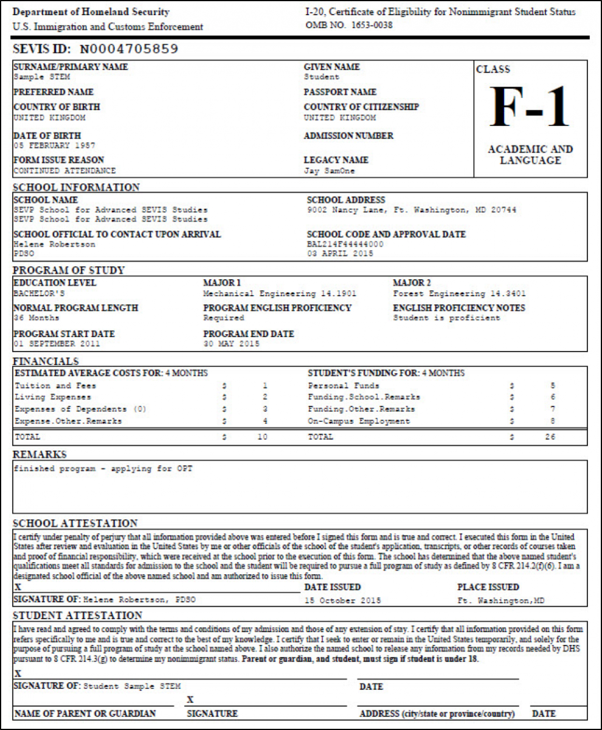
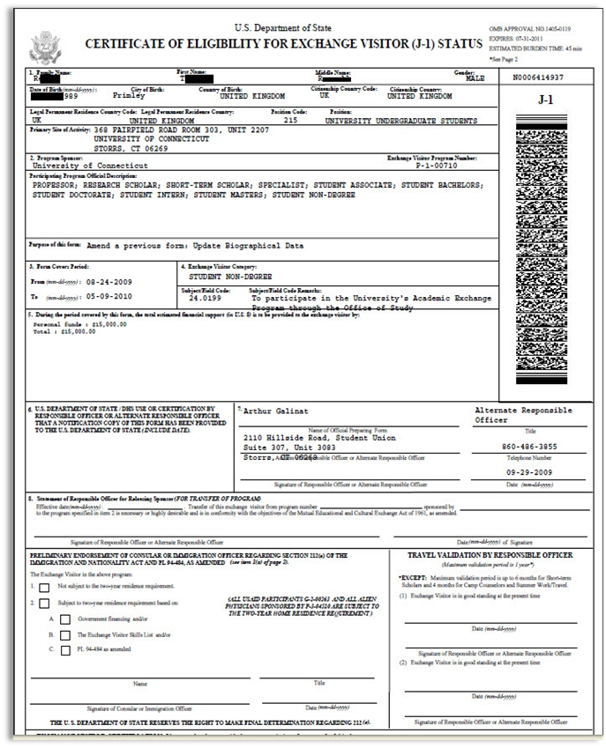
Check that the information on your form is accurate (name, date of birth, UConn campus etc.).
Contact ISSS if you find errors. If the field of study listed on your form does not match the name of your academic program, it is OK. The program names on the Form I-20/DS-2019 do not always match the UConn academic program names.
Pay the I-901 SEVIS fee. This fee is $350 for F-1 visa applicants and $220 for J-1 visa applicants. Many students can pay this fee by credit card online at www.fmjfee.com. If you are a citizen of or were born in the countries of Cameroon, Ghana, Kenya, Nigeria or Gambia, you cannot pay online by credit card, but may pay by money order or through Western Union Quick Pay. Only F-1 or J-1 visa applicants pay this fee – it is not paid for accompanying F-2/J-2 dependents.
Print your payment receipt – you will need this at your visa interview and for entry to the United States.
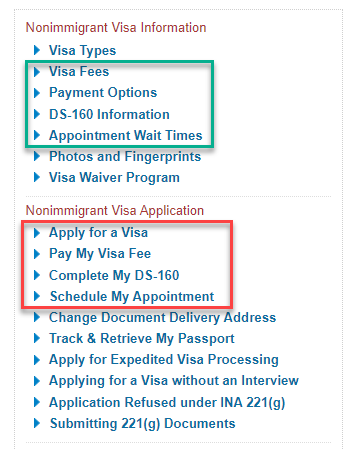
Submit DS-160, Pay Visa Fee, and Prepare for your Interview
Review the visa application instructions on the website of the U.S. embassy or consulate where you will apply for the visa.
Visit U.S. Travel Docs to find complete visa application instructions (including DS-160 Form, Visa Fee Payment, and Schedule Visa Appointment) for the country where you live.
You will need information from your Form I-20/DS-2019 to complete the visa process. Your SEVIS Number is the number at the top of your Form that begins with the letter “N”,
followed by a series of numbers.
Complete the DS-160 online application form, and then schedule a visa appointment. When completing the DS-160, you will need to designate the purpose of your trip.
If you received a Form I-20, your purpose is Academic or Language Student.
If you received a Form DS-2019, your purpose is Exchange Visitor.
You must also list a contact person in the United States. You may list the name of the Designated School Official (DSO) who issued your Form I-20, or Alternate Responsible Officer (ARO) who issued your Form DS-2019, and the ISSS address. Choose “School Official” as the relationship to you.
Follow the instructions on U.S. Travel Docs to schedule an appointment for your visa interview and pay any visa fees. Visa application fees are paid in addition to the SEVIS I-901 fee. If you cannot secure an appointment early enough to arrive for your program start date, keep checking the website to see if any earlier appointments were cancelled. Check the embassy/consulate website to see if there is a process to request an expedited visa appointment. Usually this requires you to first book an appointment, and then follow steps to change the date of your appointment through an expedited visa appointment request. If you are unable to arrive by the start date of your program, you must defer your program start to a later semester, or cancel your attendance.
Prepare for the Visa Interview
Visit the U.S. embassy or consulate on the day of your interview appointment. Your visa interview helps the consular officer to determine if you are a bona fide student or exchange visitor, and whether you have sufficient ties to your home country. Your visa interview may happen very quickly. All applicants should bring the following documents:
-Form I-20/DS-2019, signed by you and the University official who signed the form (the DSO or ARO)
-Proof of I-901 SEVIS Fee Payment
-Valid passport. Passport should be valid at least 6 months beyond your planned arrival date to U.S.
-If you are financially sponsored by someone (like a parent), proof of your relationship to that person
-Academic documents that show scholastic preparation (test scores such as SAT, TOEFL, school transcripts etc.)
-If bringing F-2/J-2 dependents: Marriage/birth certificate. Your dependents may apply for their visas with you, provided you have requested their I-20/DS-2019 Forms.
-Any other documents instructed by the U.S. embassy/consulate for your visa type.
Graduate students in research programs and visiting research scholars should also bring:
-Research/study plans with detailed information about your planned studies or research in the U.S. (if known). US Visa Information Service in China provides a sample research plan that you can adapt.
-A resume/CV in English
-A print out of your academic advisor’s or faculty host’s CV or webpage biography
Watch these videos with instructions on what to expect from the visa application process.
Keep your passport valid 6 months into the future.
You must replace a lost or stolen passport.
Most students can renew an expiring passport or replace a lost or stolen passport at either:
Your home country’s embassy or consulate in the United States, or
When visiting your home country
Most countries have consular representation in New York City or Boston, if not in Connecticut.
F-1 or J-1 Visa
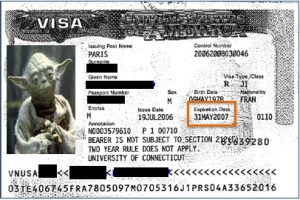
Your visa= a travel document used to enter the U.S.
Your status = your legal presence in the United States after you are admitted to the U.S. You must follow the rules for your visa type, to maintain legal status.
Your visa expiration date = the last date you can use your visa to enter the United States, with your I-20 or DS-2019.
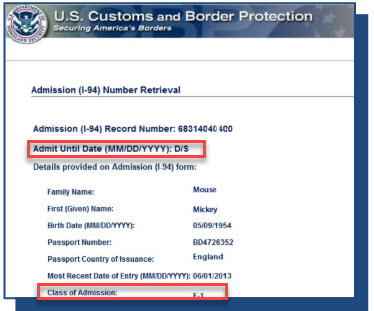
If your visa expires while you are in the U.S., this is OK! As long as your I-20 or DS-2019 program end date is in the future, and you are still studying toward your program, and your I-94 indicates “Admit Until = D/S,” you may remain in the U.S. The next time you travel, you will need to renew your visa before returning.
I-94 Arrival Record
Your I-94 admission number = your receipt for entering the United States. It confirms:Download I-94 Admission Number onlineAFTER you enter the U.S.
Who you are
When you entered the U.S.
When you must leave (Admit Until Date)
Visa Status (Class of Admission)
It is generated by the government when you arrive and pass through immigration.
Make sure you are admitted for D/S (Duration of Status)
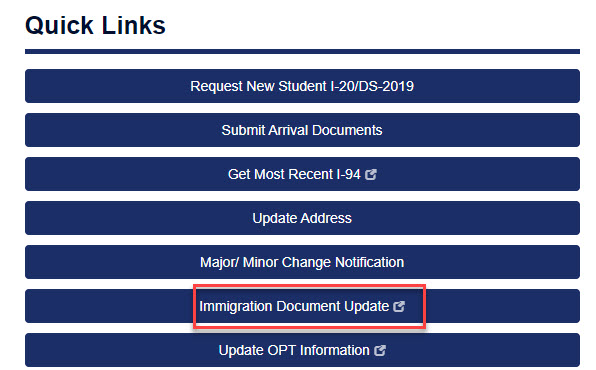
Reprint your I-94 every time you travel to the U.S., and submit your updated I-94 to ISSS through the “Immigration Document Update” on the ISSS Website (find this link on the Quick Links on the main web page).
Save a copy of your I-94 as proof of your admitted visa status.
Contact your ISSS Advisor if you are having difficulty finding your I-94 online or if your I-94 information is not correct.
Form I-20 (F-1 Visa Students)
ISSS issued this form to confirm you are a full time UConn student.
You can only study at the school listed on your Form I-20
Treat this form like a CONTRACT – You must ask ISSS for an updated Form I-20 any time the information on your I-20 changes.
Read the rules on page 3 before you sign!
Who you are
What you study
Where you study
Financial Support
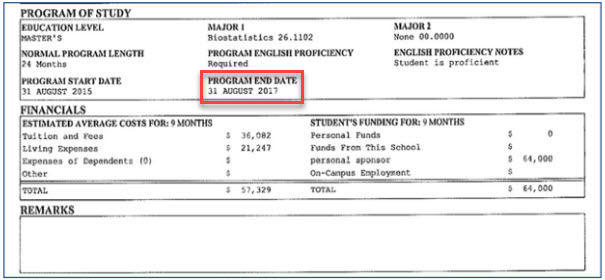
Your program end date currently listed on your Form I-20 is the latest day you may complete your program. If you will complete earlier, your program end date must be updated. If you will not complete by this date, you must request an extension BEFORE the program end date.
F-1 visa students have a 60-day grace period after completing your program to remain in the United States. Your program end date listed on the Form I-20 should be updated to match your actual completion date.
Form DS-2019 (J-1 Exchange Visitors)
Your DS-2019 is issued by ISSS to confirm you are a full time J-1 exchange visitor at UConn.
You can only study at the school listed on your DS-2019
Treat your DS-2019 like a CONTRACT – Request an updated DS-2019 from ISSS any time the information on your form changes. This form does not give you permission to work.
Read the rules on page 2 before you sign!
The form confirms:
Who you are
What you study
Where you study
Your financial support
Whether you are subject to a two-year home residency requirement after finishing your exchange program
Your DS-2019 is issued for a specific UConn program. You must get permission from ISSS before you change academic programs.
Your program end date is the latest you may finish your exchange program. If you finish your exchange program earlier, this end date will be updated. J-1 Visa Holders have 30-day grace period after you finish your exchange program to remain in the U.S.
If you cannot finish your program by the end date listed on your DS-2019, you must request an extension BEFORE the end date.
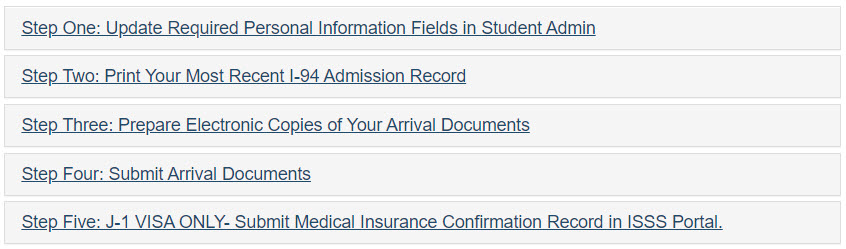
REQUIRED: Report to School – Submit Arrival Documents to ISSS
When you start a new program at UConn you must SUBMIT ARRIVAL DOCUMENTS afterarriving in U.S. If you are a student new to UConn who is already in the U.S., submit your arrival documents after you arrive to campus.
You must report to school by submitting your arrival documents by the first day of the semester. If you are a graduate student who has been approved by The Graduate School to arrive late, send an email by the first day of the semester to international@uconn.edu to confirm your expected report-date.
If you do not report to ISSS by submitting your arrival documents, you could be in violation of your visa rules.
REQUIRED: Submit New Immigration Documents to ISSS
After you Submit Arrival Documents, you only need to provide new documents when you have any changes.
Submit “Immigration Document Update” to ISSS to upload new documents to your student profile in the ISSS Portal.
When should you submit an “Immigration Document Update“?
Every time you return to the U.S. and print a new I-94 Admission number – upload your new I-94.
When you renew your F-1 or J-1 visa – upload a picture of your new visa.
When you get a new passport – upload a picture of your new passport ID page.
When you get new immigration documents for your spouse or children.
REQUIRED: Update Your Address and Phone Number
Your visa requires you to report both your Foreign Address and U.S. Physical Address to ISSS, so we can update your SEVIS record. You are required to tell us your new address within 10 days after moving. When you completed your New Student To Do List, you met this requirement to report your address.
If your Foreign Address changes, update this directly in the ISSS Student Portal. Visit the ISSS website and, click the blue Update Address in ISSS Student Portal button to make address changes.
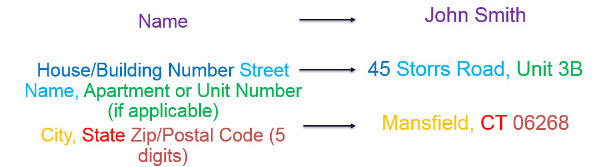
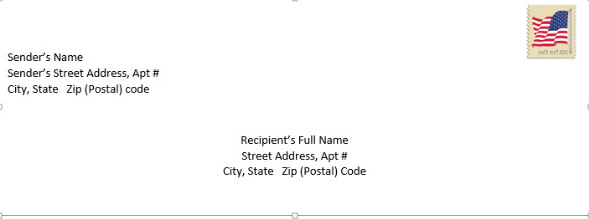
How to Format your U.S. Address
On-Campus Address Instructions
If you live on-campus, you must follow the standard address formatting to receive and send mail items or packages without delays or errors: see Student Mail Services for instructions.
Off-Campus Address Instructions
U.S. addresses are written in a very specific format: The house or building number and the street name first, then the apartment number. The city, state and postal code (zip code) are written on a separate line. If you live off-campus you can check on your lease or with your apartment complex to learn how to write your address correctly. NOTE: if your address isn’t written in the correct format, you may not receive your mail. If you are unsure of your zip code, confirm this on the U.S. Postal Services website.
North American phone numbers
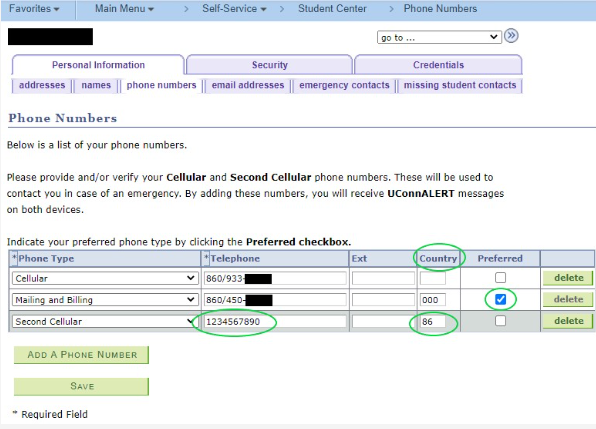
When you list your U.S. phone number in your Student Admin record, do NOT include the prefix “1” or use any parentheses or spaces. Just list all ten digits with no spaces, and StudentAdmin will format this correctly when you save your information.
Example: Type: 8605550132. Student Admin will save as: 860/555-0132
International phone numbers
To format phone numbers in non-NANP countries, include the country and area codes. When updating your phone number in Student Admin or the ISSS Portal do NOT separate the groups of numbers with spaces. Do NOT insert a plus sign immediately before the country code. See country code listings here.
*In Student Admin, OMIT (+) and list the country code in the field labeled Country. If changing your number from international to U.S. don’t forget to delete the country code. See below.
Study Full-Time
F-1 students and J-1 exchange visitors are required to enroll “full-time” every semester, until your final semester. How many credits do you need to be full-time?
Degree Level
Number of Credits Required
Bachelor’s Degree (Undergraduate Students)
12 Credits
Masters/PhD Degrees (Graduate Students)
9 credits (without Assistantship)
Masters/PhD Degrees (Graduate Students)
6 credits (with Assistantship)
Exchange/Non-degree students
12 credits (Bachelor’s)
9 credits (Master’s/PhD)
LL.M./SJD Law School Students
9 credits
JD Law School Students
12 credits
UCAELI English Language Students
22 hours/week
Online Classes: Standard Rules
F-1 Students:
Only one online course per semester, up to 3 credits, may count towards your minimum registration requirement. If it is your final semester and you only have one course remaining, it cannot be an online course unless you will finish your program outside of the U.S.
J-1 Students:
No online courses may count towards meeting your minimum registration requirement.
*Students With Government Scholarships*
Confirm with your scholarship agency if you are allowed to enroll in online courses. Even though online courses are permitted some government scholarships will not pay for online classes.
Can I Study Part-Time?
Are you struggling with your full time courses?
If you have difficulty due to one of the reasons below, you might be eligible for a Reduced Course Load (RCL) for Academic Difficulty. RCL for Academic Difficulty is only allowed ONE time in your first year only. You must remain enrolled full-time until you receive authorization from ISSS to drop your course(s).
You are having difficulty with academic English
You can’t handle the amount of reading in the course
You are not used to the way classes are taught in the U.S.
You were placed in the wrong level of a course
If you have a medical or health issue that prevents you from maintaining a full time course load, you may also request permission to take a Reduced Course Load from ISSS. When possible, you must get permission from ISSS to drop below full time for medical reasons before you drop the course(s).
Graduate On-Time
F-1 students must make normal academic progresstoward completing your program or degree. You must try to complete your degree by the end date listed on your I-20. J-1 exchange visitors must also complete by the DS-2019 program end date, and must contact ISSS if this is not possible.
Warning for Bachelor’s Students: the minimum credits to be full-time is 12 credits, but Bachelors students must take more than 12 credits each term to graduate in four years and maintain their F-1 status.
Make a plan! If you took a reduced course load in your first semester or if you only took 12 credits a semester you will not finish by your I-20 end date unless you take extra classes in the winter intercession or summer sessions to graduate on-time.
Remember, if you cannot finish on time, you must contact ISSS BEFORE your I-20/DS-2019 end date.
Request an extension of your I-20 or DS-2019 Program End Date at least one month in advance!
Your program end date can only be extended for unexpected academic or medical reasons, or if the program length listed on your form is not reasonable for the average student to complete.
ISSS can NOT extend after the I-20/DS-2019 program end date.
No Off-Campus Work Allowed
Work and travel permissions are restricted for F-1/J-1 visa holders in the U.S.
There is absolutely no off-campus work allowed for F-1/ J-1 students. This includes work performed remotely or on-line for any off-campus business or company.
Reminder: Even though J-1 students are allowed to work on-campus they must get special permission from ISSS before starting any employment.
Review the “Working in the U.S.: Rules and Resources” module for more specific rules and procedures regarding working in the U.S. and on-campus.
Daily Life
We want you to feel welcomed and a part of the community as a new UConn student. These are some local rules and customs that you everyone is expected to follow.
Do I have to wear a mask or not?
Carry a mask with you! Right now, if you are fully vaccinated in CT you are not required to wear a mask outside or inside at many businesses. That said, if you are fully vaccinated you do still need to wear a mask on public transportation and private transportation (taxis, airport shuttles, Uber/Lyft). You also still need to wear masks at healthcare facilities (hospitals/urgent care), schools and daycare. If you are not fully vaccinated you must still wear a mask indoors at all businesses. Local businesses/government offices also have the right to require everyone who enters to wear a mask and will have a sign at the entrance. On campus both students and staff must wear a mask in all public spaces including classrooms, offices, hallways and common areas.
Also mask rules may be different in different states, so if you are visiting other states nearby New York, Massachusetts or Rhode Island the policies regarding masks may be different, so travel prepared and bring a mask.
Reuse Shopping Bags
In Connecticut you must purchase and use (and reuse) your own shopping bags. If you forget your shopping bag you can purchase store brand paper or disposable plastic bags. However some businesses do not have these bags available and you will need your own reusable shopping bags
Tipping
In the U.S. there are three main places where you need to tip: in restaurants, in salon/spa or when traveling. Tipped workers earn less than the standard minimum wage in the U.S., so tipping is expected and necessary for these workers. Usually you can tip on a credit card, but if you are traveling you may need to have some cash to tip at the airport and hotel.
Restaurants
Sit down in restaurant – 15-20% tip, Buffet restaurant 10-15% tip, Home delivery 10-15% tip. If taking food “To Go” tipping is not expected, but a smaller tip can be a nice gesture.
Salon/Spa
For hair cut, massage, nails etc. 15-20%
Travel
Taxi – 15-20% tip. Anyone who helps you with your bags (doorman, bellhop, skycap, taxi driver) should get a small tip $2/ first bag and $1/all other bags.
Know your Coins!
Do you know the difference between nickels and quarters? How many dollars is a penny worth? Review these articles to learn more about U.S. coins and paper money. $0.01 = 1 cent = 1 penny $0.05 = 5 cents = 1 nickel $0.10 = 10 cents = 1 dime $0.25 – 25 cents – 1 quarter
Complete an 8843 for your first 5 years in the U.S.
The 8843 is a tax form that all students with F or J visas complete each year by June 15 to tell the government that you are still a tax resident of your home country. More info here.
Smoking and Alcohol
The legal age to purchase alcohol and tobacco products is 21. Never purchase these products for someone who is not 21, as you can get in serious legal trouble. On campus, you may not smoke in buildings, and you must stay at least 25 feet away from any buildings on campus when smoking.
No Littering!
Littering is throwing garbage on the ground instead of in a garbage can. Many cities and states have fines for littering and it is considered socially unacceptable. In Connecticut the fine can be up to $199. In neighboring states Vermont, Rhode Island, New Jersey the fine is $500, but in Massachusetts it can be as much as $5,500!!! Don’t litter! Put your trash in the trash can.
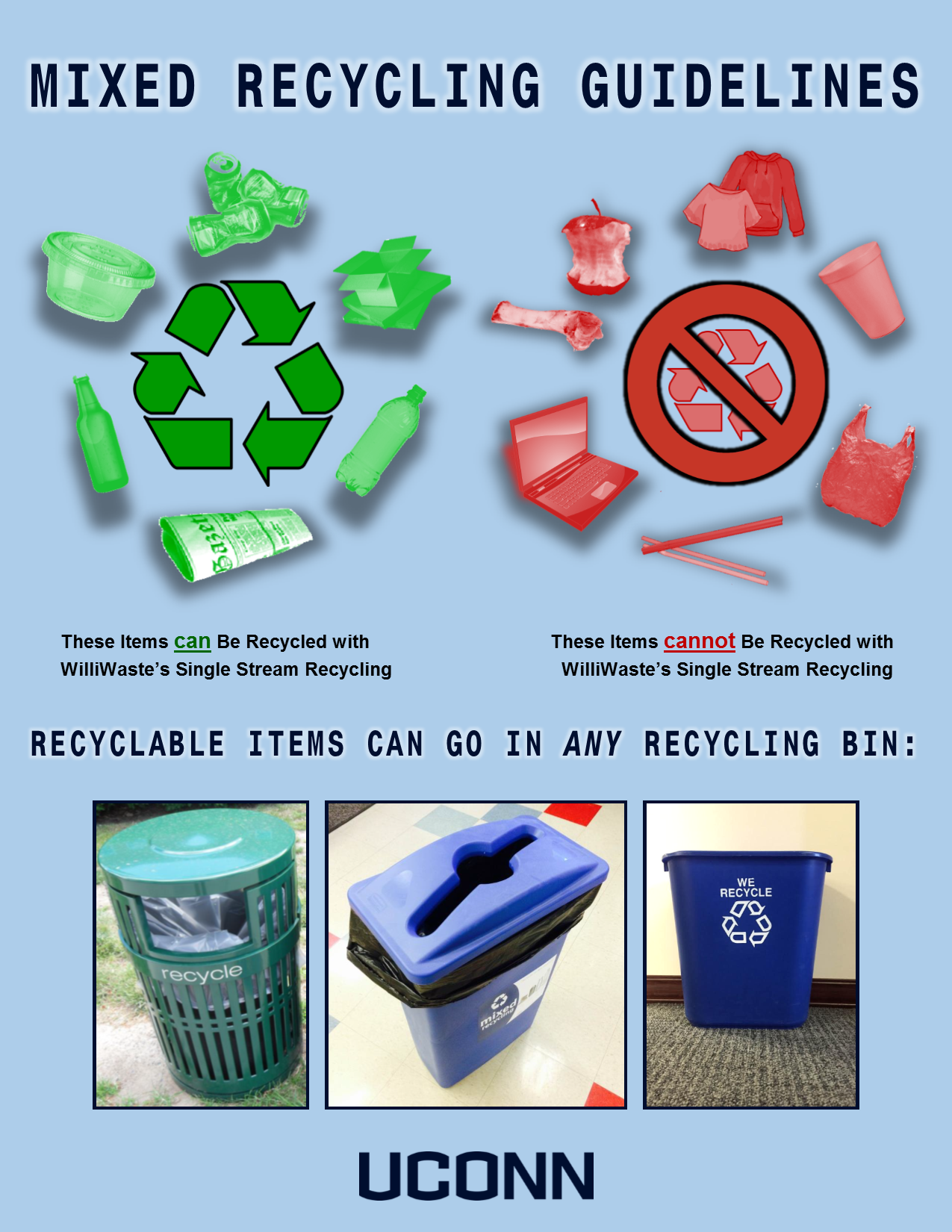
Recycle Paper, Plastics, Metal and Glass
Recycling is required by law in Connecticut, but is also considered socially unacceptable to not recycle. On campus you can recycle paper, plastic bottles/containers, glass and metal cans all in the same green and blue recycle bins all around campus.
Off campus, check with your landlord or the local town website to find out about recycling requirements. In some towns you must separate your recyclables, but other towns are “single-stream”, like at UConn.
Unfortunately, scammers target international students and other vulnerable populations, not just in the U.S. but everywhere around the world. International students in the U.S. can be vulnerable targets for criminals impersonating government officials online, via email or by telephone.
Telephone scams are most common, and are often conducted by scammers from outside of the United States. They may claim to be officials from U.S. Citizenship and Immigration Services (USCIS), Internal Revenue Service (IRS), the Federal Bureau of Investigation (FBI) and other agencies. As a new visitor to the U.S., they know you may be less familiar with U.S. laws, legal practices and official terms in American English. These criminals try to gain access to personal information (name, date of birth, social security number, address) or they may try to scare students into paying them money.
Read through the information on this page and follow the steps below to protect yourself from falling victim to a criminal/scammer. Most importantly do NOT let a scammer ruin your experience at UConn or in the U.S., and do not be afraid to hang up the phone.
Immigration Impersonators (claiming to be USCIS, DHS, “U.S. Immigration” telling you that you owe an international student “tax”, “fee”, or “immigration tax” and you will be deported)
Kidnapping Scam – you are told that your family overseas has been kidnapped and you must pay for their release, or scammers may convince you to tell your family that you have been kidnapped. Scammers scare you and keep you on the phone so you cannot contact your family. Ask for proof, ask to speak with your family, use Facebook, messenger apps, twitter etc. to connect and confirm your family’s situation, before you send them money, believing they are actually kidnapped.
Identity Theft – Identity theft is when criminals steal your personal identifying information (e.g. SSN, Date of Birth, ID information) and use it for financial gain.
Job Scams – Be wary of companies that ask you pay them to help you get a job. Always contact ISSS and make sure you have proper work authorization before you work off-campus. Never deposit a check into your bank account that someone sends you for “work” that you have not actually done.
Online Dating/Social Media Scams – making new friends online is great, but beware of people you don’t know who may try to lure you off of the dating site or get you to share personal information with them for financial gain.
Apartments for Rent and Items for Sale – Be careful when purchasing items from individuals advertised online. Never go to a stranger’s house alone to purchase an item. Meet in a public place, bring a friend or notify your friend of your whereabouts. Be careful not to pay for a car or apartment without testing it or viewing it first. Some scammers will post photos of apartments or houses they do not own and try to get you to pay a deposit to them. Always visit legitimate resources to search for apartments like offcampushousing.uconn.edu or the website of a realty company.
Visit the ISSS website to learn more, including reporting contacts if you have been victimized.
UConn Rules and Student Success
Business Hours
On campus most academic and business offices open between 8:00-8:30 a.m. and close between 4:00 – 5:00p.m. Off campus it depends on the business. Many shops and restaurants will close between 9:00-11:00 p.m. but your doctor, dentist, insurance company will most likely close by 5:00 p.m.
Check Your UConn Email…Everyday
If you are a UConn student you are going to get UConn email. Take time every day to read your UConn email. This isn’t advice, it is an expectation of your academic programs and University business offices. You can learn how to check your UConn and set it up to forward to your personal email or to your phone from here: https://email.uconn.edu/
U.S. is Action Oriented and Rules Oriented
Whether you are trying to fill out paperwork for a University process, or apply for a service off-campus, it is important to understand that the U.S. is both action-oriented and rules-oriented. This means you are responsible to take action if you need something to happen, and you are expected to follow the procedures and deadlines to get things done. It is not common for exceptions to be made for people who miss deadlines, complete forms incorrectly, etc. This can be frustrating if you have accidentally overlooked something, but in theory it helps to make sure that everyone gets a fair chance.
It is very important to never submit a form that is not real, or to sign for someone else (forgery). This can lead to University suspension, if connected to a University application or process.
At ISSS and at other university offices you should go to the main office and find the front desk. If there are other students talking to front desk staff you should form a queue and wait in line, one behind the other, until it is you turn to be served. This is true at local businesses as well.
…But not too close. Personal Space and Physical Distancing
In the U.S. there are times when we expect others to give us our “personal space” and stand away for privacy. For example when in line for the ATM you should keep your distance from the person using the machine as a courtesy so they feel safe and can keep their information private. In conversation, Americans tend to feel most comfortable standing arms’ length apart.
Welcome and Overview
On behalf of Student Health and Wellness, we’d like to wish you all the best as you begin school at UConn! We look forward to working with you to maintain your health and wellness while at UConn. Our mission is to cultivate optimal health and lifelong well-being for every UConn student.
We want students to be Be Well and to know what that means for each individual.
We want students to Feel Well—to get the most out of their experience at UConn.
And we want students to Do Well—toaccess the resources and support services they need to succeed academically, personally, and professionally.
There are important differences between healthcare in the US and universal healthcare that may be reflective of your country of origin. In the US, all medical services have a cost. The cost of services depends on the insurance you have and the type of services you use.
Even with insurance, you may still need to pay a co-pay for a medical appointment (see below for helpful definitions). To see a specialist doctor, you may need to see a general doctor (also called a primary care physician) first to obtain a referral.
All UConn students are required to have insurance while at UConn. How much you pay for your plan can determine what medical services are covered. Generally, plans with a lower monthly payment have higher deductibles. Plans with higher monthly payments usually have lower deductibles. Some low-cost plans do not cover preventative care like immunizations and physicals; they only cover you in an emergency.
Terms to know:
Co-pay – A fixed amount ($20, for example) you pay for a health care service that is covered by your insurance.
Referral – A written order from a general doctor for you to see a specialist. If you do not get a referral before seeing a specialist, your insurance plan may not pay for the services.
Deductible – The amount you pay for covered health care services before your insurance plan starts to pay. For example, if you have a $2000 deductible, you must first pay $2000 of covered services. Once you have paid $2000 of covered services, the insurance company pays for covered services. After you pay your deductible, you usually only pay a co-pay or co-insurance for covered services.
Co-insurance – The percentage of costs of a covered health care service you pay (20%, for example) after you have paid your deductible.
You may participate in the Student Health Insurance Plan (SHIP) or a plan you buy yourself (which may be carried by a parent or spouse). Family members (spouse or child) can also be enrolled in the Student Health Insurance Plan.
Graduate Assistant (GA) Insurance Benefits
Graduate Assistantship employment includes a tuition waiver and health insurance.
Graduate Assistants MUST select the health insurance plan in order to take advantage of the health insurance. The deadline to select an insurance plan is 31 days from the hire date. Select GA insurance now: https://hr.uconn.edu/ga-health-insurance/
Student Health and Wellness Services
Depending upon the campus you attend, you will have access to different services, programs, and workshops designed to meet the unique needs of college students.
Storrs Campus
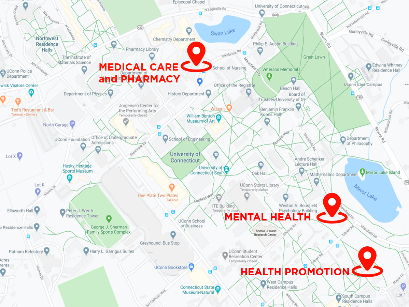
Students registered at the Storrs campus who have paid the Student Health and Wellness Fee are provided with a continuum of medical, mental health, and wellness services which includes an on-campus pharmacy, appointments with doctors, nurses, and therapists, as well as many other services, programs and workshops designed to promote a healthy lifestyle. Most of our medical and mental health care is covered by major commercial medical insurance carriers as well as the Student Health Insurance Plan.
What to Do When You’re Sick or Injured
It’s never fun being sick, but it can be particularly tough to manage an illness or injury while trying to maintain your academic responsibilities. Here are some helpful steps to take when you’re sick.
Our Medical Care team in Student Health and Wellness is your resource for illness, injury and all your healthcare needs. We are a phone call away. The Advice Nurse is available 24/7 during academic semesters by dialing our main phone number, 860-486-4700. Speaking with the advice nurse is a great first-line of defense, especially if you’re experiencing symptoms like a fever or cough. They can help you figure out what next steps are right for you.
To help you get the care you need, the nurse may ask you for additional information. If you need an appointment, you can be seen at our on-campus location or in the comfort of your own room with a telemedicine visit, so it’s helpful to have your student ID and health insurance card handy!
If you need over-the-counter medication (i.e., no prescription required), visit the Student Health and Wellness Pharmacy on the garden level of the Hilda May Williams building. Cough, cold, allergy, and pain/fever medication, as well as humidifiers and a range of other supplies are available.
It is important to set realistic expectations for your transition at UConn. Transitions can be difficult and you will want to be patient with yourself as you adjust to your new environment. You are going through an experience adjusting like many others. Cultural adjustment is the general experience of people adapting to a new culture and country. Everyone does not experience this adjustment in the same way.
“Culture shock” is a term that can describe an experience of transitioning from one culture to another. While we describe this in stages, you may have these experiences in a cycle or intermittently.
First is the “honeymoon” stage: you may feel excited and optimistic about school and your new life.
The next stage is the dissatisfaction stage: you could feel overwhelmed by the new environment which can result in feeling unhappy, anxious, confused, isolated, and inadequate. You may begin to miss food, people, and your language.
The negotiation stage is when you gain a better understanding of the new culture; you are not feeling as lost and are becoming more familiar with the environment. You reconnect with what you value about yourself and your own culture.
The last stage is acceptance when you may recognize the new culture has both good and bad things to offer and you gain a more solid sense of belonging. Some tips and strategies to cope with stress and adjustment:
Keep in contact with family and friends from home
Have familiar things with you that have personal meaning
Be open to new experiences (like getting involved in campus activities)
Find someone to talk with who can listen and understand
Sometimes adjusting or the stress of life or academics can feel like more than we can handle on our own. To better understand your experience, you may want to consider your mental health. Mental health is a person’s emotional and psychological well-being (how we think, feel, and act). Mental health influences how we make decisions, how we engage with others, how we perform in school or work, and how we deal with stress. Mental health problems can often be brought on by stressful situations like moving to a new country, being away from family and a familiar culture, or worrying about school exams. It is common for new students in the United States to struggle adjusting to all of these changes at once.
Mental health problems can present itself in many forms. A few common signs to watch for include:
Feeling helpless or hopeless
Having mood swings where you are extremely happy one moment and sad the next
Feeling sad and lonely for a long period of time and the feeling does not go away
Having low energy, and little or no desire to engage with others
Eating or sleeping too much or too little
Smoking or drinking to excess, or using drugs
Seeing or hearing things that do not exist
Wanting to harm yourself or others
If you or someone you know experiences these symptoms, you should seek help as soon as you can.
What to Do When You’re Struggling
Mental health is just as important as physical health and can similarly play an important role in your ability to be successful as a student. At UConn, we’re here to support you when you’re struggling with adjusting, homesickness, managing relationships, coping with anxiety, feeling down, or navigating any other mental health concern.
If you are experiencing an immediate life-threatening crisis, call 911, the emergency number in the United States. Although most people associate 911 with medical emergencies, Emergency Medical Services also support people with mental health emergencies such as thoughts of suicide.
Our mental health providers offer free and confidential 24/7 support for mental health crises during the semester. Examples of mental health crises include thoughts or plans to hurt yourself or someone else, or a recent assault or traumatic experience. Crisis support is provided by calling the Mental Health office at 860-486-4705.
If you think you’d benefit from connecting with a mental health provider, consider scheduling an appointment online at myhealth.uconn.edu or by calling 860-486-4705 to make an appointment to discuss your needs.
Last, you might consider accessing our Drop-In Consultation and Support Hours. The Consultation & Support program provides informal, confidential consultation with a mental health provider from Student Health and Wellness. The service is available at no additional charge and offered on a first come, first served basis. This service is a great option for students looking for advice, are unsure about therapy and curious about what it is like to talk to a therapist, or are seeking advice on how to support a friend. Find out more online at studenthealth.uconn.edu.
What to Do When You’re Concerned About a Friend
Being a part of any community means taking care of other community members when we can. Student Health and Wellness is ready to support you if you find yourself concerned about a fellow Husky. Here are some first steps you can take in supporting another UConn student:
If you’re worried about a fellow student, the most important thing you can do for them is let them know that you care. In sharing your concerns, try describing what you’ve noticed—for example, “You mentioned feeling so anxious lately that you’re having trouble focusing on your research,” or, “You said you had a terrible day and you seem distracted as we’re talking.” If you need help talking with a friend, consider using our Drop-In Consultation and Support Hours.
Particularly if your friend seems interested or ready to connect with additional support, let them know what resources UConn offers. You might suggest they consider connecting with a mental health provider, by scheduling online or calling 860-486-4705 to make an appointment to discuss their needs.
If your friend is struggling with substance use, the UConn Recovery Community (URC), a community of UConn students seeking recovery from alcohol and/or other substances, can be a helpful resource. The UConn Recovery Community embraces multiple pathways to recovery and hosts different types of recovery meetings to meet our community’s needs. The URC also has a dedicated community space for students in recovery to learn, grow, and recover together.
Last, you may want to consider participating in trainings Student Health and Wellness offers to equip students with the skills to support other Huskies. The UConn HELPS program is an interactive suicide prevention program focused on communication and connection. You can learn more about the UConn HELPS program here and our online suicide prevention training, Ask, Listen, Refer, here. The Recovery Ally Program is another training available to students, which was designed to expand awareness, sensitivity, and support to students in (or seeking) recovery from substance use disorders. Students can sign up for the Recovery Ally training here.
Regional Campuses
Students registered at one of UConn’s regional campuses are supported by a campus Mental Health Resource Center. Using local resources and referrals, full-time case managers assist students who are facing challenges that may be interfering with their academic, professional and personal success.
The best way to reach our Clinical Case Managers is by email—our team looks forward to working with you! You can find the Clinical Case Managers for each regional campus below.
Students and accompanying family members who do not pay the Student Health fee can access health services within the community. If you are here for a short program and do not have accompanying family, and do not have ongoing medical issues, your occasional medical needs may be met by an Urgent Care health center. You must make sure the doctors at the Urgent Care center are considered “in network” by your insurance. If you are unsure, call your insurance company.
If you are here with family, if you will be in the U.S. for a longer time, or if you have a medical condition for which you need treatment, you may need to find a Primary Care Provider (PCP). This is a healthcare provider that you visit to address any initial health concerns, or when you are sick. Your PCP is considered “your doctor” but can also be a Nurse or a Physician’s Assistant. Many medical practices require you to be a registered patient with a particular PCP at that practice before you can access their services. If you have children, look for doctors that are Pediatricians (children are their primary patients) or Family Doctors (doctors who can serve both adults and children).
How to find a PCP? Ask friends or acquaintances for recommendations, read reviews online, and finally, find out which doctors are covered by your insurance.
Items to Take Care of Prior to Arrival
One of the ways we ensure the health of our community, is by requiring each student to comply with requirements set forth by the university as well as by the state of Connecticut.
Student Health History Form
DEADLINE: Extended to AUGUST 1
Each new student is asked to complete an electronic Health History Form as well as upload supporting documentation (official immunization record or health history form) under the document upload tab. To complete your Health History Form, please login to the Student Health Portal. This will be where you can access all of the forms required of new students. You can also maintain your immunization records, schedule an appointment, and view secure messages sent from your provider.
Before you log in, please have the following documents ready:
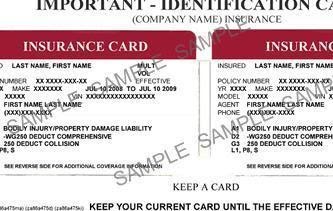
Digital and legible copy (front and back) of your insurance card(s) – medical and pharmacy.
Recent digital and legible copy of your health history form.pdf detailing the vaccines and dates (month and year) of immunization.
Even if you’ve missed the deadline, you should still complete your Health History form and upload your immunization records. It’s important that you do this as soon as you can.
Waive (or stay enrolled) in the Student Health Insurance Plan
DEADLINE: SEPTEMBER 15
UConn students are required to be covered by health insurance. By default, most full-time students are billed for and enrolled in the Student Health Insurance Plan. Student Health and Wellness recommends that all students review their fee bills closely, to determine if they have been billed for insurance. Insurance plan charges are listed under the Tuition portion of your bill and clearly labeled as “Health Insurance.”
If you were billed for the Student Health Insurance Plan and wish to waive out of this enrollment you may—if you are covered by a separate policy through a U.S.-based insurance company.
For those covered by a separate policy and wishing to waive the Student Health Insurance Plan, please complete the Health Insurance Waiver in the Financials section of your PeopleSoft account. Instructions can be found here. For additional assistance, please contact the Student Health and Wellness Business Services Team at 860-486-9239 or SHS-BusinessOffice@uconn.edu.
If you choose to stay insured by the Student Health Insurance Plan, be aware that coverage begins August 15th. You may want to consider enrolling in travel insurance to make sure you have sufficient coverage in the interim.
Watch Husky One Card Presentation
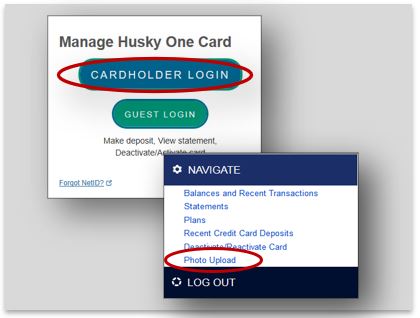
Watch this presentation and then follow the instructions on the next page to upload your photo to create your Husky One Card. Lastly follow the instructions on the third page to pick up your Husky One Card when you arrive to campus.
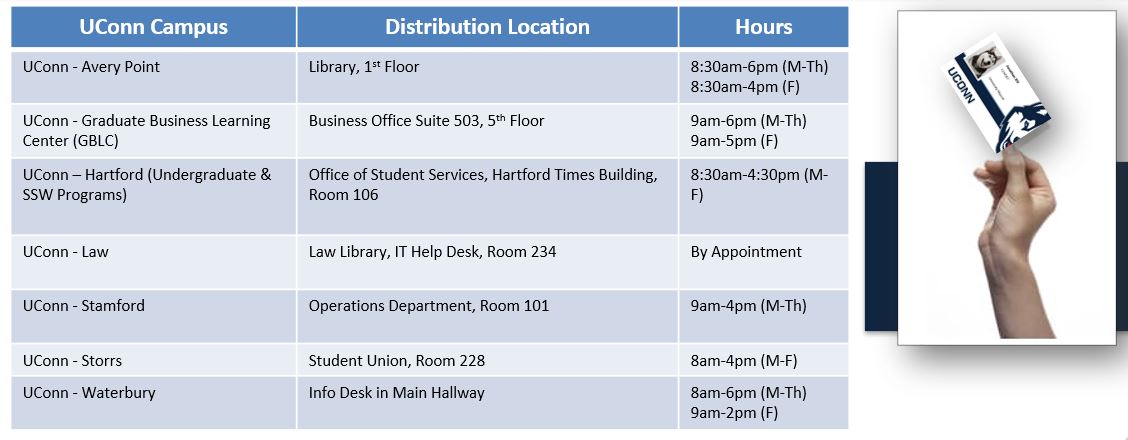
Storrs Campus students can pick up their Husky One Card in the Student Union, rm 228 when they arrive to campus for Orientation. Regional campus students can pick up their cards at the locations below. Upload your photo early as it may take some time for your ID to be created and delivered to your campus.
Student Employment Rules
Employment off-campus is not allowed under the F or J visas, except with special permission from ISSS and in some cases the U.S. government. Your visa will be terminated if you work off-campus without permission, or work more hours than allowed.
International students with F-1 visas may work on-campus up to 20 hours per week during the academic year, starting up to 30 days before the semester begins, without obtaining special authorization from ISSS.
International students with J-1 visas may also work on-campus up to 20 hours per week during the academic year, but must first obtain written authorization from ISSS before starting your work, and may only begin as of the program start date listed on your Form DS-2019.
Both the F-1 and J-1 visas provide opportunities to gain experience in your field of study through internships and practical training. These are authorized as OPT, and CPT for F-1 students, and Academic Training for J-1 exchange visitors. Both visas also provide the opportunity to work off-campus in the event of severe, unexpected economic hardship. These employment categories require special authorization from ISSS, and in some cases, U.S. Citizenship and Immigration Services.
Students who have paid employment must apply for a Social Security Number in order to meet tax filing requirements.
On-Campus Student Jobs
Where can I find student on-campus jobs?
The Office of Student Financial Aid-Student Employment lists available jobs under the JobX for UConn Students. International students may apply for Student Labor positions. International students may not apply for Work-Study positions, as these are jobs that are paid by a U.S. student’s government financial aid package. International students are not eligible for U.S. government financial aid.
Can I work at other UConn campuses?
Yes. As UConn is one University system, you are permitted to work at any of the UConn campuses in an appropriate on-campus position.
Can I hold more than one on-campus job at a time?
Yes, but you are still limited to a total of 20 hours per week between all campus jobs when school is in session. During winter and summer breaks, you may work more than 20 hours per week, if you intend to enroll in the following session.
Graduate Assistant Employment
Graduate Assistant (GA) Insurance Benefits
Graduate Assistantship employment includes a tuition waiver and health insurance.
Graduate Assistants MUST select the health insurance plan in order to take advantage of the health insurance. The deadline to select an insurance plan is 31 days from the hire date. Select GA insurance now: https://hr.uconn.edu/ga-health-insurance/
Graduate Assistantship Work Hours
GA employment is considered on-campus employment and limited to 20 hours per week. Therefore GAs with 100% assistantship are not able to hold other on-campus employment. GAs with a 50% assistantship are eligible to hold another on-campus job up to 10 hours per week.
F-1 visa holders do not require special authorization to accept and begin working a graduate assistantship.
J-1 visa holders require written work authorization before they can begin working a graduate assistantship. Apply for work authorization here.
The Center for Career Development (Storrs Campus) assists undergraduates, graduate students, postdocs, and alumni with exploring, developing, and implementing career and educational plans in and beyond the U.S. We work in partnership with International Student & Scholar Services, and have a number of resources widely used by international students, including:
International student community page– A Center for Career Development web page with links, blogs, and resources of interest to international students.
GoinGlobal™ – An online site with lists of employers with past records of sponsorship activity and country career guides and job search resources for more than 120 worldwide locations.
Career on Demand-A library of short career prep videos on topics including networking, interviewing, internship and job search, etc.
Handshake– The Center for Career Development’sweb-based appointment scheduling, event registration, and employer recruiting system. Jobs and internships, as well as events are posted in Handshake.
Husky Mentor Network–An online mentoring platform with a UConn international student and alumni community coming later this fall
Center for Career Development Staff & Student Appointments
The Center has dedicated Career Coaches available to meet with you to explore careers, to discuss career development opportunities, to think through plans and timelines, and to empower you to make decisions as you move forward with your career preparation and career goals. The services at the Center for Career Development are free.
The Center for Career Development encourages you to meet with one of the career coaches, during your first semester, helping to insure that you are a confident and prepared candidate for future opportunities.
Every year between January – April, ISSS will share lots of detailed tax information with students. This is considered “Tax Season”. Here is a general overview to prepare you for next tax season.
All nonresident students for tax purposes need to file the form 8843 every year until they become a tax resident.
Tax Filing for Students Who Receive Income in the U.S.
If you work at UConn, or if you receive a taxable U.S. scholarship (scholarship that covers your living expenses) then you will probably have taxes withheld from your paycheck or scholarship income, unless you qualify for a tax treaty based on your home country. The UConn payroll office and the UConn Tax and Compliance office will determine this tax treaty eligibility.
During tax season, if you have U.S. income, you must file the appropriate tax return with the U.S. government to determine whether you pre-paid the appropriate amount of income tax, or whether you are owed money back (because you overpaid) or must pay money (because you underpaid).
UConn has several resources available to you for free, to help you prepare your tax return. You must follow your UConn emails, or refer to theISSS Tax Preparation Resources webpagefor more information in January/February.
Apply for a Social Security Number
If you work on campus you must apply for a Social Security Number. Anyone who works in the United States needs a Social Security Number (SSN). The U.S. government assigns the Social Security Number for tax and payroll benefit purposes. You will only be assigned one SSN per lifetime.
You must apply for the Social Security Number while you are actively employed in the U.S. If you wait until after your employment ends, your SSN application will be denied. Please apply as soon as possible after you receive your job offer. For on-campus jobs, the earliest you may apply is 30 days before your employment start date.
The SSN is not a work permit, and you may begin working while you wait for your SSN, as long as you have employment authorization. A SSN is not required to open a bank account, get a driver’s license, rent an apartment or get a cell phone.
You will need the following documents to apply for an SSN:
Step 2: F-1 students with on-campus employment must apply to ISSS for a DSO Letter before you can apply for your SSN at the Social Security Administration office. All other students and scholars may skip to Step 3.
To request a DSO Letter, submit a Social Security Letter Request in the ISSS Portal. You will need to upload your employment offer letter from your on-campus employer (must be on UConn letterhead and signed). If your on-campus employer does not normally issue offer letters, they may use this template.
Step 3: Submit application to Social Security Administration (SSA). Schedule appointment with Social Security Administration Office by calling their phone number. Tell them you are an international student, you have a job in the U.S. and you need to schedule an appointment to apply for a social security number. Get contact info for the closest Social Security Administration office
Bring your immigration and employment authorization documents listed above to Social Security Administration office on your appointment day to apply. Check the SSA website in advance to find out when they are open. Your card will be mailed to you at least two weeks after you submit your application.
Locations:
Storrs Campus: 1320 Main St, Willimantic. This is on the Storrs-Willimantic bus line (stop: Tyler Square).
Hartford: 960 Main St., Hartford.
Stamford: 2 Landmark Square, Stamford.
NEW STUDENTS: You must submit your arrival documents to ISSS and wait at least 10 days before you apply for a Social Security Number. The Social Security databases can take up to 10 days to update after ISSS activates your SEVIS record. To avoid getting turned away from the Social Security Administration, please submit your arrival documents to ISSS as soon as possible after arrival to the U.S., and wait at least 10 days before applying for a social security number.
What do I Need to Drive in CT?
How can you drive in CT legally?
OPTION 1
You can drive in Connecticut with your home country driver’s license for up to one year. If your driver’s license is in English or Spanish, this is all you need. If your license is in a language other than English or Spanish, you must also have an International Driver’s Permit (IDP) issued by your home country and carry it with your license. To purchase and register a car in Connecticut you must have a Connecticut driver’s license or a Non-Drivers State Identification, but you can drive a car or rent a car with your home country license and IDP.
OPTION 2
You can drive in CT with a driver’s license from another U.S. state (but you must transfer your license to a CT License if you live in CT). Canada, France and Germany driver’s licenses can be converted to a CT license, like an out-of-state license. You will need to transfer your driver’s license to a CT license before you can buy a car or register your car.
OPTION 3
If you do not have a driver’s license and IDP from your home country, or another out of state license, you will need to apply for a Connecticut driver’s license to drive in CT.
Step 4 – Practice Driving with Learner’s Permit for 90 days
If you do not have a valid U.S. out of state license, you must obtain and hold a learner’s permit for at least 90 days prior to taking a road test.
You may only drive with the learner’s permit under the instruction and while accompanied by a commercial driving school instructor, secondary school instructor or a qualified trainer, who is a person 20 years of age or older who has held a license, which has not been suspended for four or more consecutive years prior to training.
If you do have a valid driver’s license from your home country, you do not need to wait 90 days and can schedule your Skills Test right away.
Pass the CT Road Test and Receive Your License by Mail!
Important Information about Owning a Car
In CT, all drivers are legally required to have insurance.
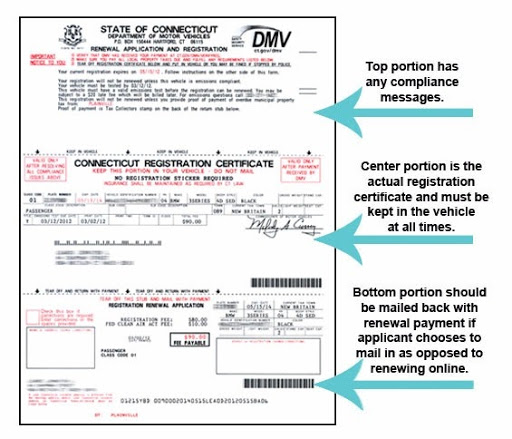
Every driver must have their driver’s license, their insurance card and their car registration whenever driving their car.
There are legal and financial consequences to driving without insurance.
If you cancel your insurance the DMV can suspend your license and registration.
All car owners in CT must pay a car tax to the town where they live
The amount of tax is based on the town where you live along with the year and type of car.
Car tax bills will come to you in the summer (usually before July 1).
You have to pay the car tax even if you no longer live in the town when you get the bill
If you move to a new town make sure to change your address at the post office to the new address so your tax bill will be forwarded to you.
You MUST register your car before you can drive it.
Traffic Laws and Police Stops
Know the laws before you drive in the U.S. U.S. driving laws may be different from the laws in your home country. Laws may vary from state to state within the U.S. Read theCT Driver’s Manual.
Police Cars, Fire Trucks, Ambulances
When you see a police car is behind you with the lights flashing, put on your right turn signal, move your car to the right side of the road (pull over) and stop.
Even if the police car is not pulling you over, you are legally required to move to the side and let them pass if their lights are flashing.
This is true for ambulances and fire trucks also.
School Buses
Never pass a stopped school bus. If a school is stopped with the red stop sign flashing, you MUST stop and wait for the bus to move or the stop sign to close.
Police Stop
Police may stop you while driving for many reasons:
Speeding
Driving erratically
Headlights/tail lights out
Snow or ice on car(you must remove all snow and ice in the winter)
Texting or using cell phone while driving(NO texting or using cell phone while driving)
Accidents
Drinking and driving (DUI arrest = visa revocation)
What do you do if the police stop you?
Stay in your car, wait for the officer to come to your window
Have license, registration and insurance documents ready
Answer all questions and follow all instructions from the police.
Don’t argue with police
You may be given a ticket or warning. Follow the instructions on the ticket.
U.S. Traffic Signs
Be sure to read the CT Driver’s Manual for information and rules specific to CT.
One of the first things that you will need to do upon arrival to the United States is open a bank account. There are many banks within walking distance of most UConn campuses. All banks in the United States follow the same laws; we recommend that students select a bank based on convenience to your location, open hours, etc.
Types of Accounts
Banks offer checking accounts and savings accounts. You will need to open a checking account to pay for your day to day expenses and bills. The checking account is usually free for students to open, and may or may not require you to keep a minimum dollar balance in the account. If you are a student, ask if they offer a student checking account. Scholars can open standard checking accounts.
Money can be withdrawn from your checking account several ways:
By visiting the bank and withdrawing cash from your account
By debit card, which is like a credit card that will link to your checking account and can be used to make purchases at stores or withdraw cash from ATM banking machines.
Or by writing a paper check out to the person or business you are paying. Getting paper checks may not be required when you open a checking account, but we hightly recommend this. In the future if you apply for a work permit or other immigration benefit, you will most likely need to pay by paper check. If you live off-campus, you may need to write a check to pay your rent. If you need to mail a payment, never send cash, instead use a check. If you need help to write a check, ISSS staff can assist you. If you do order paper checks, teh bank will send them to you by mail. Keep them safe and secure and do not share the check information with anyone.
Savings accounts are interest bearing. You might require a Social Security Number (SSN) to open a savings account. Ask your bank.
What to Bring to Open Your Account
Identity and immigration documents (passport, I-20/DS-2019, I-94 print out)
UConn Student ID card and admission letter (if you have one)
Social Security or ITIN number (if you have one)
Money to deposit
Students from some countries may have to wait a few days before your bank account can be finalized. Do not panic if this happens to you, but be sure that you have a way to access money in the meantime. After your bank account is set up, you should talk with your bank about the best way to transfer money from your home country to the United States.
Direct Deposit
Students with Employment and Graduate Assistants: You will be asked to set up a Direct Deposit account with UConn payroll that will allow your paycheck to be electronically distributed to your bank account for withdrawal.
Cell Phone
Some students choose to purchase a new cell phone after arriving in the U.S., while others prefer to replace the SIM card in your current phone. Local cell phone stores can assist you with either option. The 3 largest providers of wireless mobile service in the U.S. all have stores you can visit or you can order a phone online or visit national retailers like Target or Walmart.
Students looking to replace their sim card with a U.S. compatible sim card can reach out to the retailers above or try a campusSIMS sim card. campusSIMS offers coverage through Mint mobile and is designed for students studying in the U.S. offering short-term plans. You can order a sim card to be shipped to you or pick one up from the ISSS in Storrs.
Students can sign up for an annual (or longer) contract with a cell phone company, for which you are billed monthly, or you can purchase on a “pay as you go” or pre-paid basis. For the contract option, you will probably be required to provide a social security number so they can check your credit/financial history. If you do not have a Social Security Number, you may be required to pay a significant financial deposit. The pre-paid option does not generally require this.
If you are considering a particular phone service carrier, check their coverage map on their website to ensure service in your area is reliable. Or, it may be good to ask your roommates or neighbors what works well for them. This can be important, especially if you live in a rural part of the state, where not all companies provide reliable service.
Mail
Receiving Mail: Most mail is sent and delivered through the U.S. Postal Service (USPS). If you live off-campus, mail is delivered daily, except for Sundays and legal holidays. At Storrs campus, mail is delivered Monday – Friday. See Student Mail Services for further information about on-campus mail. Find your mailbox early after moving into your residence hall or your apartment and visit it frequently. No one will call you or email you when mail arrives. You will need to visit your mailbox several times a week to make sure you receive paper mail. This is important especially if you have personal documents mailed to you from your bank or ISSS office.
Sending Mail: The cost to send a standard letter within the United States is 55 cents ($.55) and to ship a letter internationally it starts at $1.20, but may cost more depending on the weight. You can purchase stamps individually or in “books” at the post office. The UConn Book Store also sells stamps at their check-out register. You can send stamped letters by placing them in a blue USPS mail box or by dropping them off at the U.S. Post Office.
Packages: Packages can be sent through U.S. Postal Service, or also through private providers such as UPS, Fed Ex and DHL. Off campus packages are typically delivered to your door, or if you live in an apartment complex there may be a mail room where you pick up packages. On campus packages are delivered to Residence Halls through the Student Mail Services.
Mail Services Prior to the Semester Begins
Please read this special update on Fall semester 2020 regarding mail services. If you live on campus, the mail room in your dorm will not open until the start of the semester. Therefore you will not be able to receive mail until classes begin. Large packages are not delivered to the dormitory mail rooms, and instead need to be picked up at University Mail Services (UMS). UMS is not open on weekends for package pick-up. Packages received before August 7 will be returned to sender. Do not mail anything to yourself that you will need to access during move-in weekend.
Internet Service
If you live off campus, you may be responsible for finding your own internet provider. Ask your landlord what are your options for internet providers in your apartment complex. Different internet companies service different towns in CT. Check the terms of your lease to see if this is already included. Many internet services are provided together with cable tv or landline telephone services (this is called a “bundle”). When establishing service, be aware of which service you are agreeing to purchase, and that there may be expensive monthly fees that are associated with the service. Often internet service providers will provide a low introductory rate for 6 months, but then the rate may climb higher every 6 months or more. It is good to understand the fee may change in the future and to ask if the rate will go up.
UConn Technology and Technology Training
University Information Technology Services provides all information related to student technology needs, Net ID access, email access and other services and policies. View all services here. The University also has an Information Technology Acceptable Use policy that applies to all students, staff and faculty.
UConn Wi-Fi
UConn has two wireless (wifi) networks available throughout campus: UCONN-SECURE and UCONN-GUEST.
The UCONN-SECURE network connects the UConn community with authenticated and encrypted access to the UConn wireless network. It provides users with full and secure access to university and internet resources. UCONN-SECURE requires you to log in with your NetID and password.
UCONN-GUEST is a non-encrypted, non-secure wireless service that guests to UConn may use to access the internet. It does not require NetID credentials to log in. Instead, users must accept terms and agreements. This connection resets every few hours.
Student Technology Training
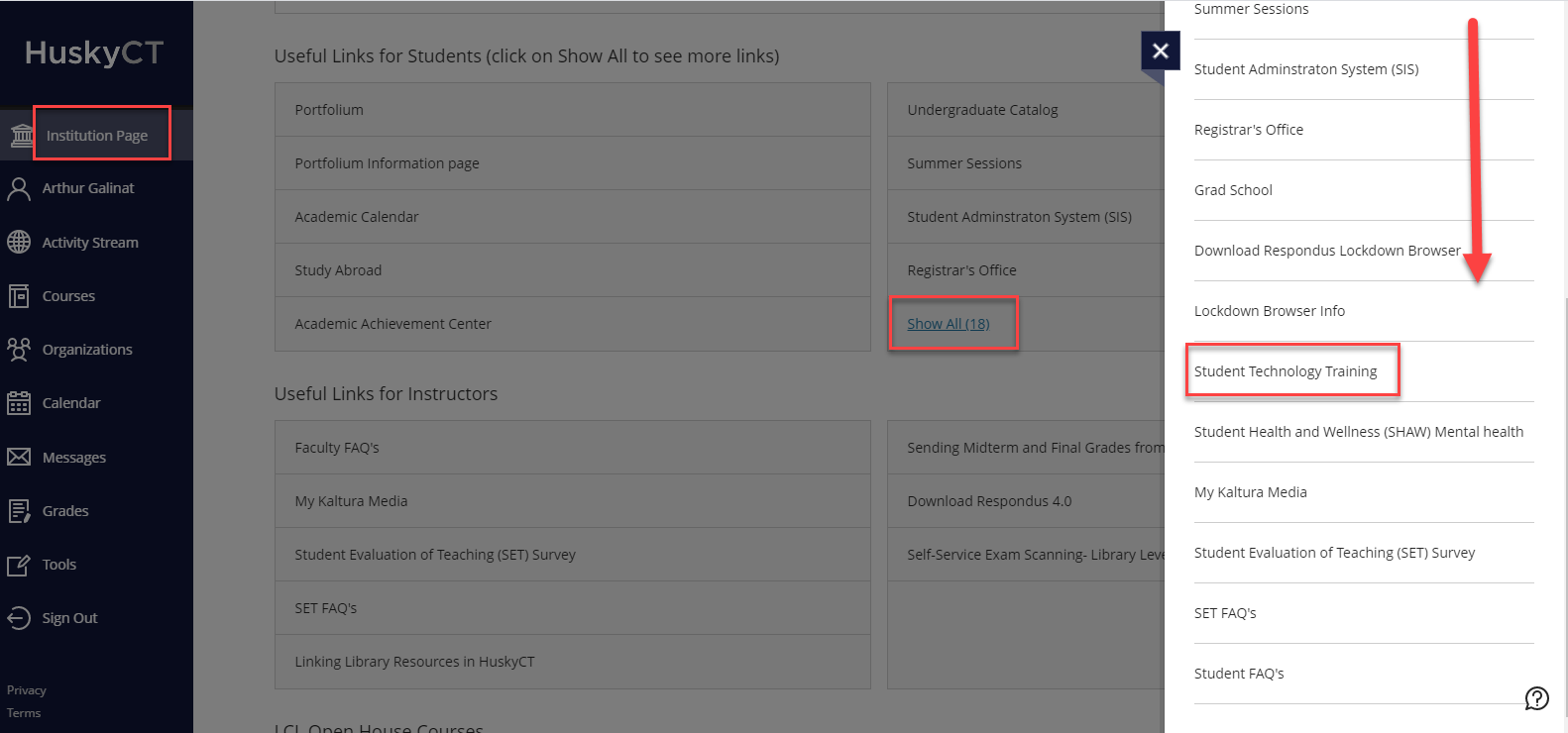
Complete theStudent Technology Trainingonline in HuskyCT!
You can learn more about the IT systems and services you’ll use at UConn in the Student Technology Training Course including student email, Husky CT, Nexus, software and printing.
1. Login to HuskyCT with your NetID and NetID password.
2. On the Institution Page, which is the landing page, scroll down to “Useful Links for Students.”
3. Click on Student Technology Training.
If you ever need assistance with technology and your devices, contact the ITS Technology Support Center. You can chat with a tech, browse our Knowledge Base, submit a support request, and even visit us in person.
Off-Campus Housing within Walking Distance or on theWRTD Bus Route
Housing within Walking Distance:
• Carriage House Apartments
• Celeron Square Apartments
• Clubhouse Apartments
• Hunting Lodge Apartments
• Knollwood Apartments
• Oakwood Apartments
• Orchard Acres Apartments
On the Willimantic Regional Transit District Bus Route (WRTD):
• Carriage House Apartments
• Celeron Square
• Clubhouse Apartments
• Hunting Lodge Apartments
• Colonial Townhouse Apartments
UPASS for Free Access to CT Buses and Trains
Transportation Options at UConn Storrs
Buses
There are 4 types of buses at UConn’s Storrs Campus.
UConn Campus Shuttle Buses(Free)
For more information visit:https://transpo.uconn.edu/ or download the TransLoc app
These are campus buses, run by UConn that essentially circle the campus daily.
WRTD 674 Storrs-Willimantic Bus(Free w/ UPASS and UConn ID)
For more information visit:https://wrtd.org This bus is run by the Windham Regional Transit District and travels from Rte 44 and 195 to Main St. in Willimantic.
WRTD 675 Hunting Lodge Apartment Loop Bus(Free w/ UPASS and UConn ID)
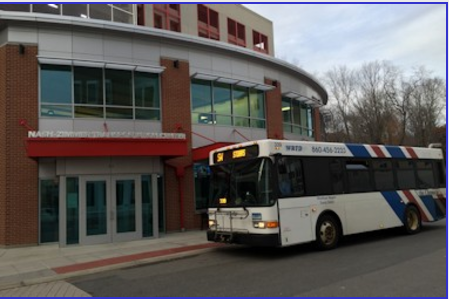
For more information visit:https://wrtd.org This bus is run by the Windham Regional Transit District and travels from the Nash Zimmer Transportation center through campus to the apartments on Hunting Lodge Rd on a loop.
CT Transit 913 Bus Hartford-Manchester-Storrs Express (Free w/ UPASS and UConn ID)
For more information visit: https://www.cttransit.com/ This bus is run by CT Transit and travels from Downtown Hartford to Manchester to Storrs.
Peter Pan Bus(private company – fees vary based on destination)
For more information visit: https://peterpanbus.com/ Peter Pan Buses travel to Hartford and out of state.
355 UConn Stamford Connectorfree shuttle UConn ID and U-PASS between Stamford Transportation Center, Stamford Campus Residence Halls and UConn Stamford
Moving to a new country can be very difficult – for many, having strong social relationships are necessary to help you adjust.
It will probably be easiest to make friends with other international students or students from your world region – this is important, and it is helpful to connect with others who can relate to what you are experiencing.
It is also important to have social relationships with American students to help broaden your perspective, give you cultural insight, and feel truly at home in the U.S. This section has information to help you better understand U.S. social culture, and how to make connections with other American students.
Where to Make Friends with Americans
One challenge in connecting with Americans is that you may lack common past experiences that help to bring people together. Therefore it may be helpful to join established communities of students, to come together over new shared experiences. These communities include:
Student Clubs – UConn has hundreds of clubs for undergraduates and graduate students focused on different interests. If you are interested in joining, the UConn Involvement Fair is a great first place to connect, or contact the club through their UConntact listing.
Sports – Sports cross cultures and also keep you active, which is important to avoid feeling isolated and homesick. UConn Recreation has lots of opportunities to join fitness classes, club sports and intramural sports teams, and join outdoor outings.
Volunteer Opportunities – UConn Community Outreach provides opportunities to join individual community projects with other UConn students. This is a great opportunity to explore the local community and meet other UConn student volunteers.
Peer Mentorship Programs – UConn’s Office of Diversity and Inclusion lists many of UConn’s peer mentorship programs where undergraduate students can be matched with upperclassmen over specific themes. Also UConn’s Cross Cultural Connections program pairs non-native English speakers with native English speakers for English practice and cross cultural engagement.
Residence Halls and Learning Communities – If you live on campus, try to take part in your residence hall activities. Study in the public spaces. Keep your door open, if that is what you see others doing. UConn Learning Communities are residential groups who live together and learn about a specific career interest or academic topic. For undergraduate students, living on campus, even after your first year, may provide more opportunities to meet American friends.
UConn Cultural Centers – UConn Cultural Centers provide a community to students who identify with or are interested in certain identities, and provide programs, advocacy and events around their themes.
Working on Campus – Getting a campus job can be a great way to meet other student co-workers, and make some money while you are at it. Remember, international students cannot work more than 20 hours per week, including hours worked as a Graduate Assistant, while school is in session.
Social Media – Try to use social media platforms popular with U.S. students and follow UConn student groups and networks.
Making friends with Americans will likely take a lot of effort, but the personal rewards are well worth it.
How does U.S. Culture Influence Social Relationships?
Americans tend to be much more individual-oriented than community-oriented. They are encouraged to focus on their own individual development and it is often acceptable to prioritize their own needs and goals over the needs of their in-group (family, friends).
This has a big influence on social relationships. While American friendships can be very close, and friends support one another, friends may not be very interdependent on one another or feel significant responsibility to one another. In an American friendship, one is not expected to put their friend’s need before their own. This is because of the high sense of personal self-reliance developed in individual-oriented cultures.
Americans tend to be informal in their communication, even with people they do not know well.
To an American, informality in communication does not necessarily signal feelings of closeness or depth of relationship. This can make it seem like Americans are super friendly, but superficial in their interactions.
Americans tend to rely more on direct verbal communication than on indirect, or nonverbal communication. Words are used to express ideas, and if you are trying to communicate something indirectly, Americans may not understand what you are trying to say. The concept of “saving face” or avoiding embarrassment is not as valued in U.S. culture as in some other cultures, although Americans are generally polite and do not intentionally try to embarrass others. Sometimes Americans may seem blunt in their directness.
Social Etiquette
We already talked about the relative informality with which some Americans communicate – you may find that some Americans talk very openly about topics or use language around strangers or new acquaintances in a way that could be seen as impolite. Do not feel pressure to act with the same informality.
While Americans are generally pretty open, topics that tend to be taboo to Americans include money/income, or displays of wealth or status, as American culture tends to value egalitarianism or equality, where strict social hierarchies are shunned.
If you are entering into a friendship or relationship with an American, try to get a sense of how much space the other needs in communication (texts, phone calls, visits, etc.) and follow suit.
It’s better to ask someone if it is OK to visit someone before doing so, unless you have an established deep friendship or relationship where it is understood that unannounced visits are OK.
It’s best to be on-time, and in some situations acceptable to be a little bit late, for a social engagement at someone else’s home, but never too early. This could inconvenience the host.
Gift-giving is never expected, but if you are invited to someone’s home for dinner or a party, it is a nice gesture to bring something to eat or drink with your hosts.
American college students have a reputation for partying and drinking too much. This is a common stereotype in movies, but is also based on some truth. The U.S. legal drinking age is 21, and young Americans may not be exposed in the home to moderate, responsible alcohol consumption as part of the culture. Then in college, independent for the first time, some students over-consume. Parties and bars are not the only places Americans socialize, and not all Americans drink.
If you are unsure about how to connect with other American students, asking them questions about themselves, and showing an interest in them, is a great way to start.
Romantic Relationships
Dating in American culture may be similar, or very different, than what you are used to. Americans often have several romantic partners, even serious or live-in relationships, before expecting to settle down and stay with one person.
Dates may be casual, just for fun, with no expectation to lead to a further relationship, or may lead to committed, serious relationships. If you are unsure about the nature of your relationship with someone, it may be best to directly communicate your questions and your expectations with the person you are dating.
Having a romantic relationship with an American can be one of the best ways to help feel at home, meet other Americans, gain English fluency and cultural insight. However if the relationship ends, you may find the breakup more difficult to handle than in normal circumstances, even if you are the person to end things. You may have grown dependent on your partner for companionship and also rely on them for very practical purposes like local knowledge, transportation or connection to the community. Therefore if you have a romantic relationship with an American, try and maintain a wide social network that includes people from outside of your partner’s social circle.
African American Cultural Center
The H. Fred Simons African American Cultural Center (AACC) of the University of Connecticut was established in 1968 to support African American students in the pursuit of the coveted higher education academic experience. It is recognized that many African American students face unique societal and institutional challenges in developing to the fullest extent of their potential. The Center strives to assist students in overcoming these challenges and supports them in their adjustments to college life through the development of cultural awareness, academic excellence, leadership skills, social consciousness and personal success. The AACC is a warm, welcoming and intellectually challenging environment that contributes to the vitality of campus life for all students, their parents, faculty and staff.
The Asian American Cultural Center (AsACC) provides resources to enhance the University’s diversity commitment through its recruitment and retention efforts, teaching, service, and outreach to the Asian American community on campus and beyond. Central to all its programming, the AsACC assists students in exploring and defining their cultural identity in multicultural America. The AsACC provides a supportive environment for students, faculty, and staff that encourages academic excellence, personal development, community engagement, and professional leadership.
The Puerto Rican/Latin American Cultural Center’s mission is to improve the status of Latinos and to promote awareness, understanding, and appreciation of the richness and diversity of Latinos and Latin American cultures. PRLACC works independently and corroboratively with other University departments and community organizations to sponsor educational and cultural programs, provide services and leadership opportunities, foster connections, and educate the greater University community about Latino issues. Our services and programs seek to enhance and support student, faculty, and staff recruitment and retention, as well as enrich the multicultural climate of our community.
To serve the diversity of the Gay, Lesbian, Bisexual, Transgender, Queer, Questioning, and Allied community and to provide resources and services to the wider community of students, faculty, staff, and local residents. -To ensure that everyone has the opportunity to learn, work, and grow in a supportive and safe environment. To act as an accessible and safe space for reporting incidents of harassment and discrimination. -To reduce the effects of alienation experienced by community members by diminishing negative behaviors and or attitudes towards the GLBTQ community through the use of education and advocacy.
The mission of the Women’s Center is to advocate, educate, and provide support services for the achievement of gender equity at the University and within the community at large. Special attention is focused on women who face additional challenges due to their race, nationality, class, sexual identity, religion, age, and physical or mental ability. More specifically, we promote an anti-racist feminist perspective which includes an analysis of the intersectionality between various forms of oppression; challenges the power structure/status quo that reinforces inequality based on race and gender simultaneously; and foregrounds the understanding of how racial discrimination impacts the analysis of gender discrimination.
The Middle Eastern Cultural Programs (MECP) strive to foster connections between students, promote the education of Middle Eastern culture, celebrate the intersectionality of identities, and advocate for the professional development of students. MECP aligns itself with the University’s diversity commitment of cultural centers to provide vital resources in support of the social, behavioral, and cultural needs of students. It exists to serve as a central resource for both the UConn community and surrounding communities for issues and historical context related to the demographic group represented by the center. MECP also shines light on issues that the underrepresented Middle Eastern population faces. It is important to note that the Middle Eastern identity is not strictly Asian, African, or European. It is a combination of many different regions, nationalities, ethnicities, and religions. We hope to use MECP to celebrate Middle Eastern culture by integrating the academic components of campus along with the cultural experiences of the students. In this way, MECP acts as liaison between the academic partners on campus and the cultural groups that fall under the Middle Eastern umbrella.
Website Student Union, First Floor rm 103 860.486.3510
Native American Cultural Programs
As guests on the land of but not limited to the Mashantucket Pequot, Eastern Pequot, Mohegan, Golden Hill Paugussett, Nipmuc, Schaghticoke, and Lenape peoples, our office welcomes you to our space!
The Native American Cultural Programs at UConn welcomes all Native and Indigenous students, faculty, staff, community members and allies. NACP is here to serve our Native and Indigenous students, to help foster relationships with local tribal nations, and work towards building good relations between UConn and the land.
NACP members currently consist of Native and Indigenous scholars, artists, students, graduate students, faculty and youth community members. It is our hope that you will join our growing community and share your cultures, traditions, and histories with us.
As the Spring 2023 Semester is fast approaching, feel free to reach out to our student staff members with any questions you may have! As always, go huskies! We cannot wait to see you and build community with you all in the fall.
Courses numbered 1000-4000 are undergraduate courses.
Undergraduate courses can be large lectures and small seminars. You need to meet general education AND major course requirements.
Courses numbered 5000-6000 are graduate courses.
Graduate courses tend to be smaller. Your role as a TA or RA may be as important as your coursework. You are part of your department.
Enrolling in Courses
Consult with your academic advisor before enrolling in courses, they can advise you on course sequence, prerequisites and how your enrollment will affect your graduation plans. Enroll for courses in UConn Student Administration. See this guide for information on how to find your enrollment time, search for courses and enroll. This article explains how to find your academic advisor in Student Admin.
Course Syllabus
Every course will have a course syllabus distributed at the beginning of the semester that serves as a guide to the course. The syllabus should indicate class meeting times and requirements, contact information for your instructor, weekly topics to be covered in class as well as assignments and an explanation of how you will be graded. Refer to your syllabus and reach out to your instructor if you have trouble understanding the material or if you start to get behind.
Assessment
Courses may be graded by exams, assignments, projects or participation. Each course may be graded differently, and your professor will explain at the beginning of each course how your grading will be assessed.
U.S. Culture and the Classroom
American classroom practices reflect American individualism.
Students are encouraged to follow their individual interests when choosing a major. Personal achievement is valued.
Students must be self-directed and are responsible for knowing what they need to do, and take action to meet academic and University tasks by the established deadlines.
U.S. universities focus on developing the whole person – extracurricular activities and courses not related to one’s major are considered just as important as your academic activities, at least at the undergraduate level. To get the most of your experience, try to embrace these activities as well.
The classroom is a fairly informal environment – students sometimes bring food and drink (don’t bring anything smelly or noisy though!) and may dress very casually.
Faculty are generally very student centered in their teaching, and their role is to guide you in your learning through discussion and sharing of ideas. Their role is usually not just to lecture.
American language, especially in a University environment, is increasingly informed by social justice principles, which influence how we talk about ourselves and others in our community in an inclusive and accepting way. One example of this is when students, staff and faculty introduce themselves with their preferred pronouns.
Tips for Success
Effective Communication
When you email faculty and staff, explain your situation politely and thoroughly. Be careful of using exaggerating or dramatic language as it may be misinterpreted by the reader.
If your professor asks students to call them by their first name, do this. But if they don’t offer this, calling them “Professor LAST NAME” is best. Many faculty will ask you to call them by their first name – there tends to be less focus on titles and the informal setting lends to this.
Ask your classmates or professors for help if you are unsure of something – most are happy to help, but may not offer it out of respect for your privacy.
Active Participation
Do all assignments, attend all classes. If you cannot attend, email your professor. The U.S. is very rules-oriented and exceptions to the rules cannot be expected (though if you are experiencing hardship, your professor may be willing if you communicate your needs).
Try to share your ideas and questions in seminar style courses. This is an important part of U.S. classroom culture, and the teacher expects students to contribute in this way. It is not seen as disrespectful or questioning the professor’s knowledge.
Be open to new ways of looking at things, and share your viewpoint. Your cultural lens impacts how you perceive current and past events, social issues, and history. Be prepared that your perception may be challenged in the classroom.
Use organizational tools to track deadlines and take action:
When payments are due
Deadlines to add/drop classes
Deadlines for assignments
Deadlines to apply for ISSS applications (travel signature, OPT, CPT)
Get Help – Before it is too late!
You can talk to your professor before your course starts, and during the course to share any challenges. You can ask for syllabus in advance, to get a head start on any readings, and ask to record lectures so you can listen to them again.
Use resources like the Academic Achievement Center, Writing center and Q Center for help with developing study habits and skills.
IHWA (International Huskies Writing Assistance) is a student-run organization to help non-native English speakers develop academic writing skills.
UCAELI provides evening classes focused on specific academic skill development.
Center for Students with Disabilities provides assistance and accommodations to students who have learning disabilities or other support needs.
Academic Integrity
Citing Resources, Cheating, Plagarism
Learn proper citation techniques. Academic integrity is taken very seriously and if you do not learn to cite consistently and correctly, it can carry big consequences. This means:
No cheating (taking answers from others)
No plagiarism (taking ideas/work from others without crediting them)
You must cite an author when quoting or paraphrasing.
This is a an academic skill that you might need to learn or develop. It can be especially difficult to avoid when you are not yet fluent in academic writing in English. Get help from the Writing
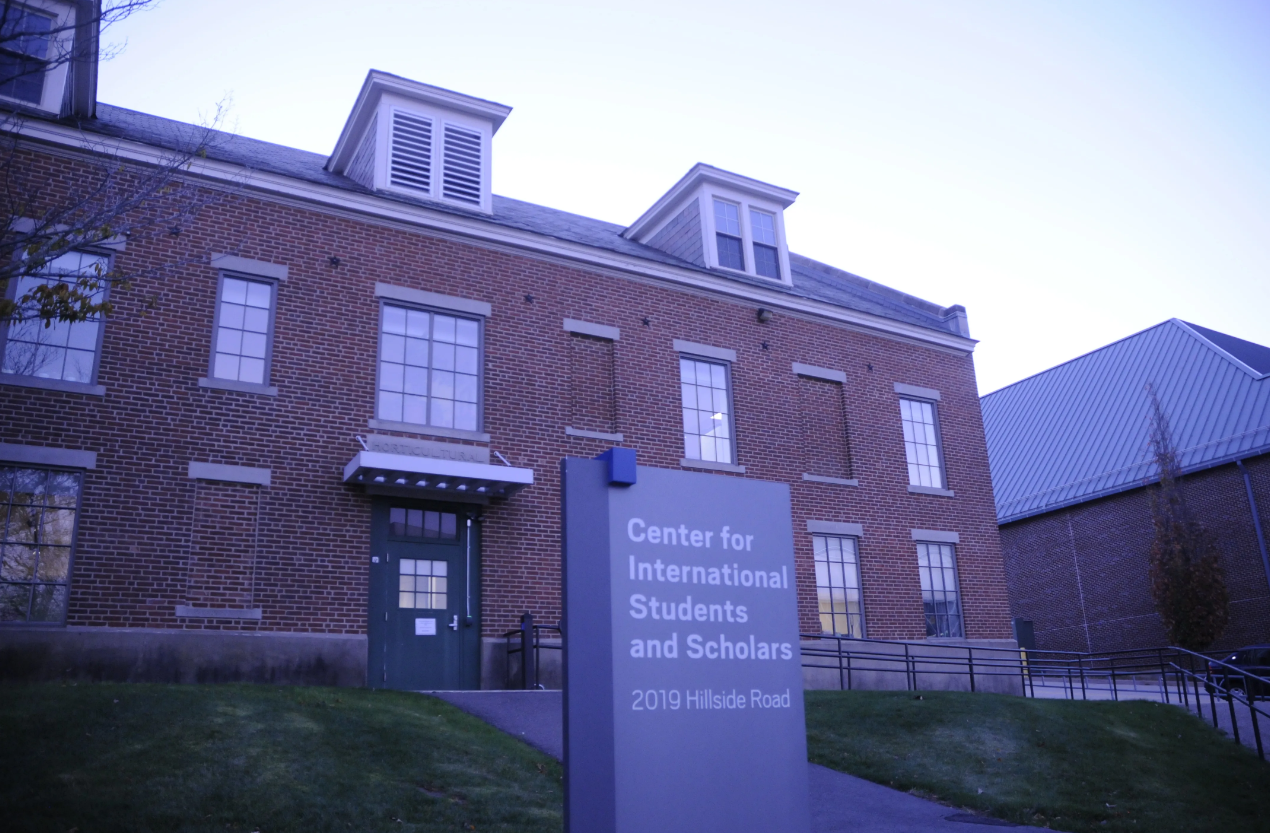
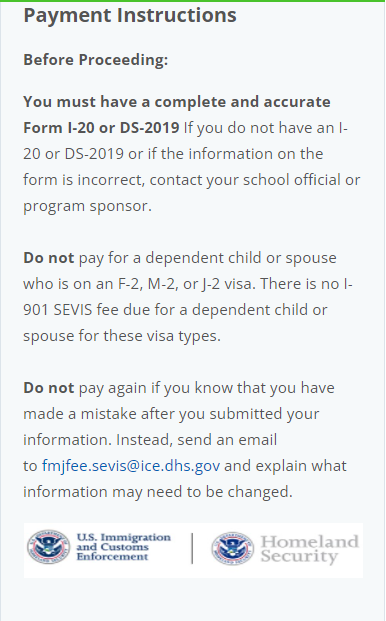 Check that the information on your form is accurate (name, date of birth, UConn campus etc.).